When designing or upgrading industrial power distribution systems, selecting the right low-voltage switchgear components is critical to ensuring uninterrupted operations and personnel safety. After 15 years in electrical engineering, I’ve seen countless projects derailed by poor component choices—from unexpected downtime to costly safety violations. In this guide, I’ll break down the non-negotiable elements every reliable system needs, share real-world lessons from the field, and explain how modern designs are solving age-old industry challenges.
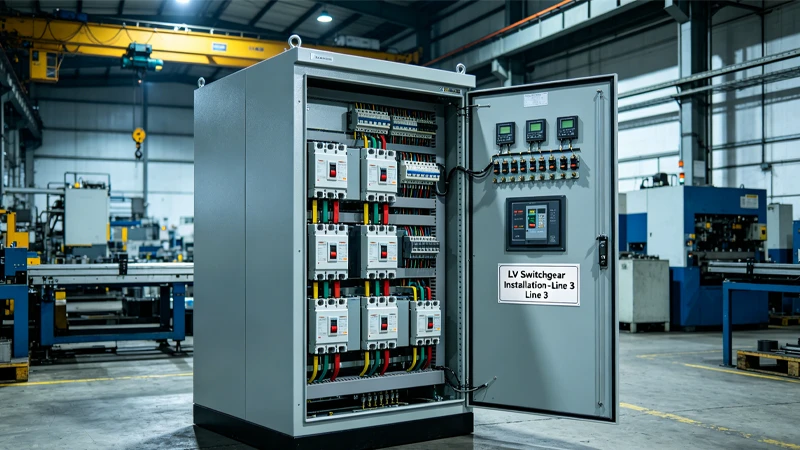
Low-voltage distribution systems form the critical link between medium voltage transformers and end-use equipment in factories, commercial buildings, and data centers. According to the International Electrotechnical Commission (IEC), over 60% of industrial electrical accidents occur in low-voltage environments, making component reliability and safety features paramount.
What many engineers overlook is that switchgear isn’t just a collection of parts—it’s an integrated ecosystem where each component’s performance directly impacts the entire system. A single faulty interlock or poorly designed drawer can cascade into production losses exceeding $100,000 per hour in continuous manufacturing operations, based on data from the National Electrical Manufacturers Association (NEMA).
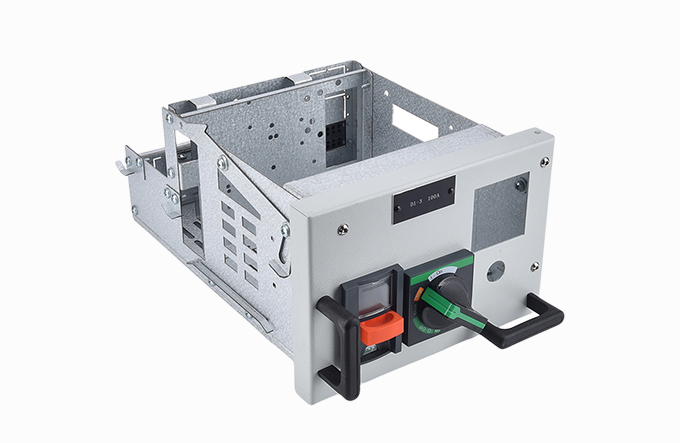
Drawer-type switchgear units have revolutionized maintenance practices by allowing hot-swappable component replacement without shutting down entire production lines. Unlike fixed-mounted designs, these units enable technicians to isolate faulty circuits safely while keeping critical processes running.
Modern drawer systems feature innovative designs that address longstanding industry pain points. For example, self-locking mechanisms prevent part misplacement during maintenance—a common issue I’ve encountered in older installations where loose components caused repeated failures. Three-position interlocks add an extra layer of protection by physically preventing operators from making dangerous switching errors.
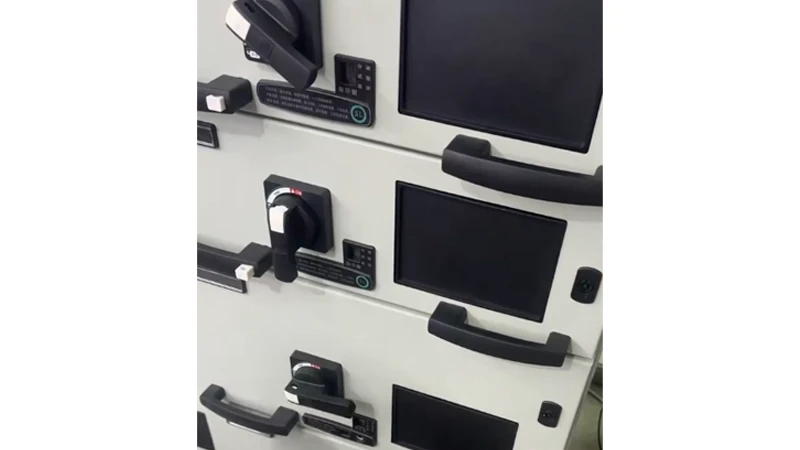
When evaluating drawer options, pay close attention to size flexibility. Standard configurations include 1/2-unit, 1-unit, 1.5-unit, and 2-unit sizes, allowing you to optimize cabinet space based on your specific load requirements. Anti-sag hinges are another often-overlooked feature that significantly extends cabinet lifespan by preventing door misalignment over time.
For detailed specifications on different drawer configurations
Electrical safety interlocks are the unsung heroes of power distribution systems. These mechanical and electrical devices prevent unauthorized access to live components and ensure the proper sequence of operations. I’ve personally investigated three incidents where missing or defective interlocks led to serious injuries—all of which could have been prevented with proper component selection.
The most advanced systems integrate multiple interlock layers:
IEC 61439-1 mandates specific interlock performance requirements for low-voltage switchgear assemblies, so always verify that components meet these international standards before installation.
Modular switchgear cabinets provide the structural foundation for your entire distribution system. The best designs balance robust construction with adaptability, allowing you to expand or reconfigure your system as your operational needs evolve.
Blokset-style cabinets have become industry favorites due to their standardized components and streamlined assembly process. These systems feature reinforced structural supports that can withstand the mechanical stresses of frequent drawer insertion and removal, as well as adaptable mounting systems that accommodate various component sizes.
When selecting cabinets, consider factors beyond initial cost. Corrosion-resistant finishes and high-quality hardware will significantly reduce maintenance requirements over the system’s 20+ year lifespan. For harsh industrial environments, look for cabinets with IP54 or higher ingress protection ratings.
After auditing hundreds of installations worldwide, I’ve identified three recurring mistakes that engineers make when sourcing switchgear components:
1. Prioritizing price over quality: Cheap imported components often lack proper safety certifications and fail prematurely. I’ve seen entire systems replaced within 5 years because of subpar materials.
2. Ignoring future expansion: Building a system that can’t accommodate additional loads leads to costly retrofits down the line. Always design with 20-30% growth capacity in mind.
3. Overlooking technical support: Even the best components require proper installation and maintenance. Working with suppliers who offer comprehensive technical support can save you weeks of downtime.
In my experience, the most successful projects partner with suppliers who understand both component engineering and real-world application challenges. XHONELE’s MOLDVOLT series represents a significant advancement in how we approach power distribution, addressing many of the limitations I’ve encountered with traditional systems.
What sets this solution apart is its holistic design philosophy. Rather than selling individual parts, XHONELE provides complete, integrated systems that are optimized for performance and ease of assembly. The MOLDVOLT series is specifically engineered for compatibility with GGD, GCS, GCK, and MNS cabinet systems, making it a versatile choice for both new installations and retrofits.
Compared to generic alternatives, these systems offer:
To learn more about how these systems compare to traditional solutions
No two industrial facilities are identical, which is why custom switchgear solutions are often necessary to meet specific operational needs. XHONELE offers full ODM services, including custom component design, adaptation to local market requirements, and branded solutions.
I recently worked on a pharmaceutical manufacturing project where standard components couldn’t meet the facility’s strict cleanroom requirements. XHONELE’s engineering team developed custom sealed drawer units that prevented dust ingress while maintaining all safety interlock functionality. The project was completed on time and has been operating flawlessly for over three years.
Whether you need specialized components for hazardous locations, unique mounting configurations, or compliance with regional standards, working with a supplier that offers true customization capabilities is essential.
For personalized assistance with your specific project requirements
Conclusion
Selecting the right components for your low-voltage switchgear system is a decision that will impact your facility’s safety, reliability, and operational costs for decades. By focusing on quality, safety features, and long-term flexibility, you can build a system that meets your current needs while adapting to future challenges. Remember that the best solutions come from suppliers who understand your industry and are committed to your success. XHONELE’s MOLDVOLT series combines innovative engineering with comprehensive support, making it an excellent choice for demanding industrial applications.
If you’re ready to upgrade your power distribution system or have questions about specific components,
Contact our engineering team. File for expert guidance.
pubdate: 2025/10/09 2026/06/30
Solve Loose Plug‑in Contact Connectionpubdate: 2025/10/09 2026/06/23
4 Common Insertion Mistakes That Void Warrantypubdate: 2025/10/09 2026/06/15
5 Factors for Choosing a Drawer Cabinet