When selecting power distribution equipment for industrial projects, the right fit directly impacts operational reliability, maintenance efficiency, and long-term cost control. For most medium-to-large industrial facilities, a robust drawer switchgear system is a common consideration, but the selection process must center on project-specific needs, not just generic product specs.
After 12 years advising industrial clients across Africa, Southeast Asia, and the Middle East on power distribution systems, I’ve narrowed down the non-negotiable criteria that separate high-performing installations from failure-prone ones.
First, prioritize project-specific current load matching. Your cabinet system must align with your facility’s amperage requirements, from 100A feeder circuits up to 630A main distribution lines, with modular layouts that scale with your operation. Mismatched capacity is the top cause of premature equipment failure and safety hazards.
Second, enforce strict adherence to IEC electrical safety standards. Critical safety features include mechanical interlocks to prevent incorrect operation, anti-falling mechanisms for active modules, and redundant secure grounding systems. These features are not optional—they directly protect your on-site team and prevent catastrophic downtime.
Third, evaluate modular cabinet design and ease of assembly. Standardized, interchangeable components streamline installation, reduce maintenance time, and eliminate long lead times for replacement parts. This is especially critical for projects in regions with limited access to specialized electrical parts.
Finally, calculate the total cost of ownership (TCO), not just the upfront price. TCO includes logistics, installation labor, maintenance downtime, and upgrade costs over the system’s 15+ year lifespan. Many buyers overlook these factors, only to face hidden costs that double their initial investment within 5 years.
You can explore standardized cabinet configurations to match your project’s baseline requirements.
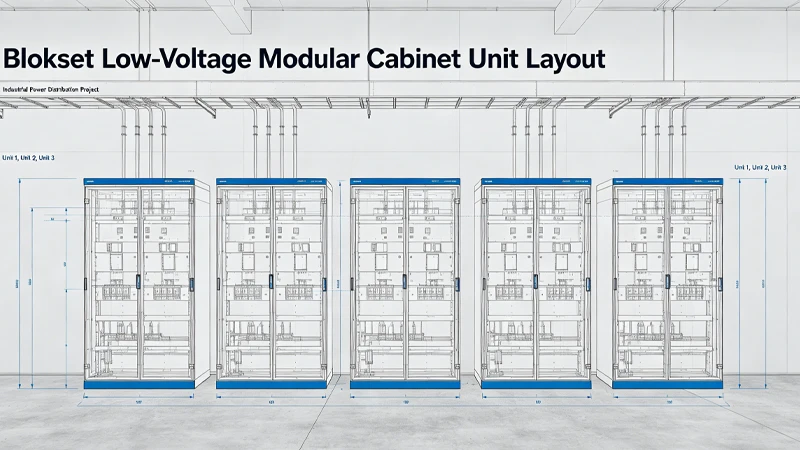
In my career, I’ve seen nearly 60% of unplanned industrial downtime stem from poor cabinet selection, not equipment failure. These are the three most common, costly pitfalls to avoid.
The first and most pervasive mistake is fixating on upfront unit price while ignoring long-term costs. I worked with a client in Egypt who lost nearly $200,000 in unplanned downtime in 6 months, all because they chose a cheap fixed cabinet that required full system shutdown for a single component replacement.
The second pitfall is overlooking local assembly optimization and supply chain resilience. Importing fully assembled cabinets comes with logistics costs that can account for 25% of total expenses, plus lead times of 3 months or more that derail project timelines. Many buyers fail to consider CKD (completely knocked down) solutions that cut costs and shorten lead times without sacrificing quality.
The third pitfall is choosing a system with no room for customization or upgrades. Industrial facilities evolve, and your power distribution system needs to evolve with them. A rigid, one-size-fits-all cabinet will force you into a full system replacement when you need to expand capacity or update safety features, costing far more than a flexible solution upfront.
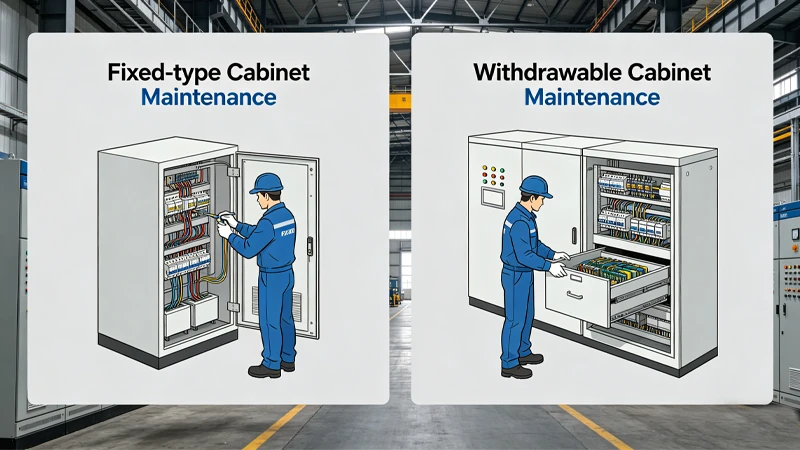
To make the right selection, you first need to understand the core differences between the two most common industrial power distribution cabinet types, and which fits your project’s unique constraints.
Fixed-type power cabinets have a simple, static design with permanently installed components. They have a lower upfront cost, making them suitable for small, stable facilities with minimal expected expansion, and where full system shutdown for maintenance is acceptable. However, they trap most buyers in low-margin, high-competition markets, and their inflexible design leads to longer downtime and higher long-term costs.
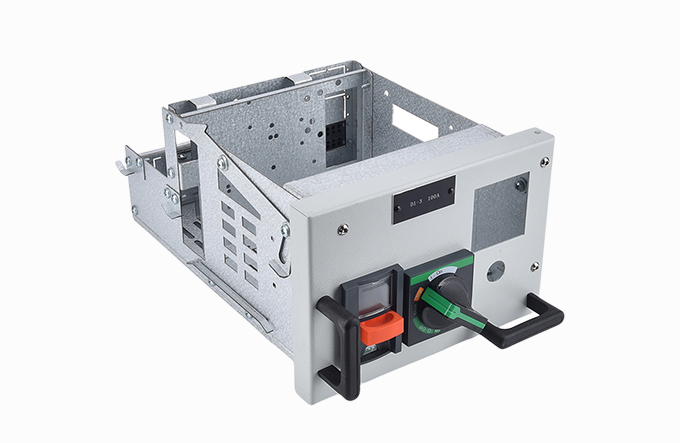
Withdrawable cabinet systems use modular, removable units that can be serviced or replaced without shutting down the entire power distribution system. They offer higher density layouts, better safety protection, and seamless scalability, making them ideal for medium-to-large industrial facilities, manufacturing plants, and commercial complexes where downtime directly impacts revenue.
For industrial projects where unplanned downtime can cost tens of thousands of dollars per hour, where maintenance must happen without full system shutdown, and where future capacity upgrades are planned, the drawer switchgear system is a high-value solution, outperforming fixed-type cabinets in nearly every high-demand metric.
The right cabinet solution doesn’t just meet technical specs—it transforms your business’s competitiveness and profitability. These are real, verified results from XHONELE’s global clients, with no inflated or unsubstantiated claims.
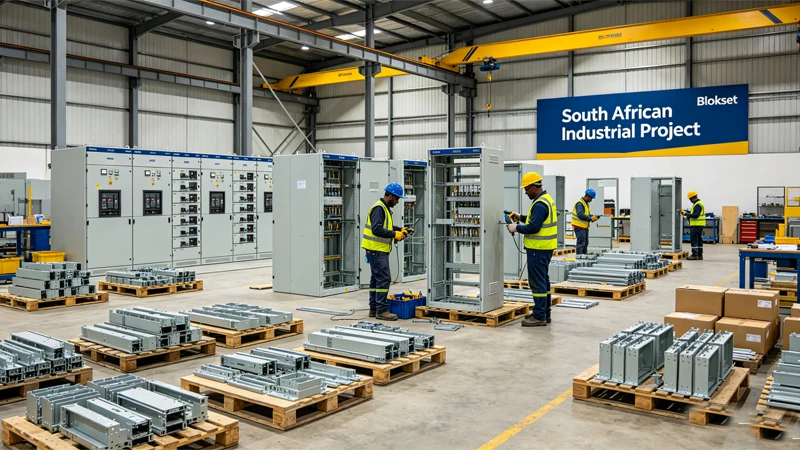
For a South African electrical distributor facing 25% logistics costs from fully assembled cabinet imports and 3-month lead times that made them uncompetitive in project bids, we provided a complete CKD core component kits solution. We supplied all precision parts, including interlocks and plugs, for local assembly, helping them slash total costs by 40% and cut lead times from 3 months to 5 weeks.
For an Egyptian manufacturer stuck in low-price competition with fixed cabinets, and facing a shortage of specialized technical workers, we delivered a full withdrawable cabinet upgrade solution. With custom design drawings, core components, and round-the-clock technical support, we helped them boost profits by 40% and quickly become a regional market leader.
For an Indonesian client with no expertise in withdrawable cabinet design and supply chain management, we provided a complete product line transformation solution, including proven design drawings, full core component kits, and specialized technical training. We helped them increase product margins by 35% and enter the high-end industrial project market within 4 months.
You can view full case studies and solution details to see how this framework applies to your market.
The biggest mistake buyers make after selecting a cabinet system is ignoring the support and resources needed to maximize its value over its lifespan. The right partner will provide full-lifecycle support tailored to your specific business stage, not just a one-time product sale.
For entrepreneurs building a new power distribution cabinet factory from scratch, look for a partner that provides compliant cabinet design drawings, full BOMs, one-stop core component supply, systematic technical training for your production and QC teams, and ongoing remote support. This eliminates the biggest barriers to entry and gets your production line up and running quickly, with minimal risk.
For existing fixed cabinet manufacturers looking to upgrade to withdrawable systems, prioritize a partner that offers a seamless upgrade path based on your existing infrastructure, performance upgrade component kits, specialized skills training, and brand empowerment through technical certifications and marketing assets. This lets you escape low-margin competition and enter high-value project markets without rebuilding your entire operation.
For teams with existing sales channels and production capacity, but lacking specialized technical expertise, seek a partner that offers custom ODM solutions, critical performance-defining components, on-demand remote technical support, and co-branding authorization to build customer trust. This lets you leverage your existing strengths while filling technical gaps quickly.
Whether you’re building a new production line, upgrading your existing cabinet offering, or entering a new regional market, tailored support makes all the difference. You can get customized project support and design drawings to start your project on the right foot.
pubdate: 2025/10/09 2026/07/15
How to Organize Spare Parts for LV Cabinetspubdate: 2025/10/09 2026/07/07
5 Daily Checks for Drawer Switchgear – A Maintenance Technician’s Guidepubdate: 2025/10/09 2026/06/30
Solve Loose Plug‑in Contact Connection