After 15 years designing power distribution systems for manufacturing plants and commercial buildings across Southeast Asia, I can tell you this: the cheapest switchgear upfront almost never ends up being the cheapest over its 20+ year lifespan. While fixed cabinets still dominate budget projects, the data clearly shows that modern modular systems deliver significantly better value. In fact, when you factor in all expenses, Moldvolt Switchgear cabinet drawer and similar solutions typically reduce total cost of ownership by 30-40% compared to traditional fixed designs.
Let's start with the obvious: fixed switchgear cabinets have a lower sticker price. If you're only comparing the initial purchase order, fixed units cost 15-25% less than their drawout counterparts. This is why many project managers, under pressure to hit capital expenditure targets, default to fixed designs without doing a full financial analysis.
But here's what most people miss: the purchase price represents just 20-30% of the total cost of ownership (TCO) for electrical distribution equipment. The remaining 70-80% comes from maintenance, downtime, upgrades, and safety incidents over the equipment's lifetime.
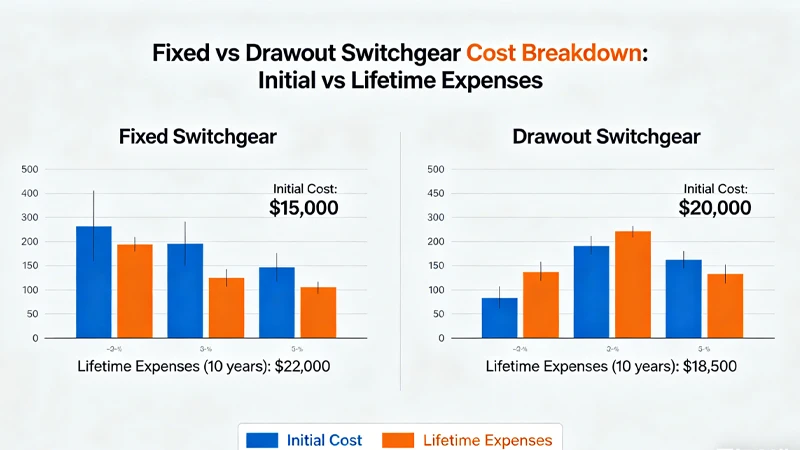
I learned this lesson the hard way back in 2018, when a food processing plant I consulted for chose fixed cabinets to save $12,000 on their initial installation. Six months later, a single circuit breaker fault caused an unplanned 8-hour shutdown that cost them over $240,000 in lost production. With fixed cabinets, you can't isolate a single faulty circuit—you have to shut down the entire section to make repairs.
This is where drawout switchgear technology truly shines. The modular design allows technicians to remove and replace individual drawer units in 15-30 minutes, without shutting down the entire system. For critical operations where downtime costs thousands of dollars per hour, this difference is transformative.
According to a 2024 study by the International Electrical Manufacturers Association (IEMA), unplanned downtime costs industrial facilities an average of $50,000 per hour. The same study found that facilities using drawout switchgear experienced 78% less downtime related to electrical distribution issues compared to those using fixed cabinets.
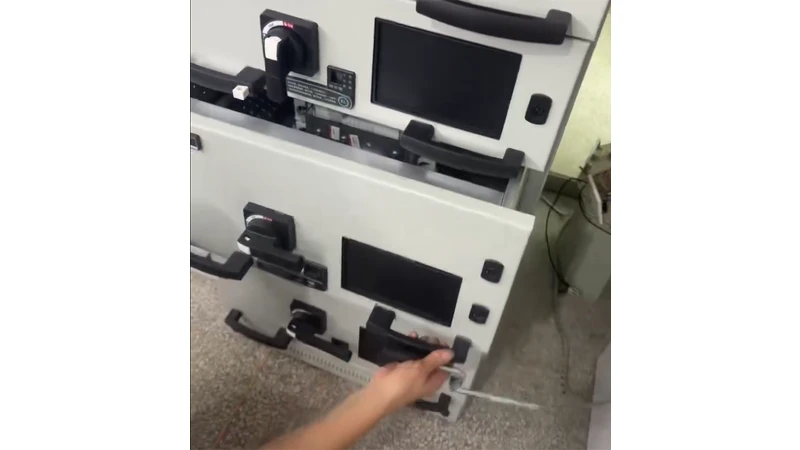
The three-position operation (disconnect, test, connect) is another game-changer for maintenance. Technicians can safely test circuits and perform diagnostics without exposing themselves to live parts, which significantly reduces the risk of electrical accidents. OSHA data shows that electrical accidents cost U.S. businesses over $1 billion annually in workers' compensation and lost productivity.
Another major advantage of modular systems is their equipment upgrade flexibility. As your business grows and your power needs change, you can easily add or replace drawer units without rebuilding the entire cabinet. With fixed cabinets, any significant upgrade requires replacing the entire unit, which means more downtime and higher costs.
I recently worked with a manufacturing company that had installed fixed cabinets just three years earlier. When they added a new production line, they discovered they couldn't expand their existing system. They had to completely replace four cabinets at a cost of $85,000, plus three days of downtime. With a modular system, they could have simply added four new drawer units for $22,000 and installed them in a few hours without shutting down production.
View detailed specifications to see how modular designs simplify future expansions.
Electrical safety compliance isn't just a legal requirement—it's a financial imperative. A single serious electrical accident can result in fines, lawsuits, and reputational damage that can put a small business out of business.
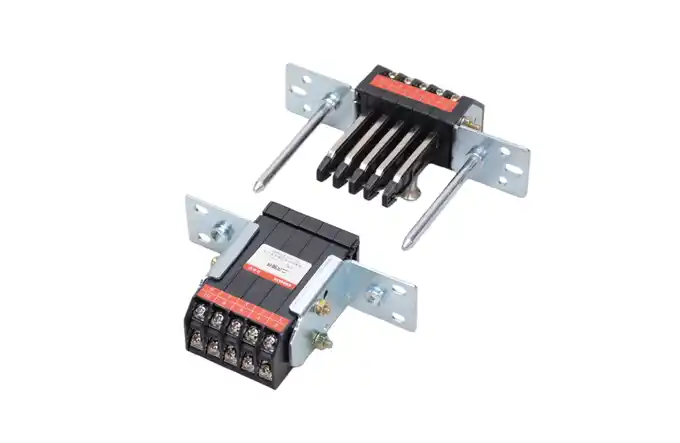
Drawer-type switchgear solutions are inherently safer than fixed designs. The interlock mechanisms prevent technicians from accessing live parts, and the three-position operation ensures that circuits are properly isolated before any maintenance work begins. Many modern systems also include built-in safety features like silver-plated grounding contacts that provide reliable protection against electrical faults.
A few years ago, I worked with a traditional distribution box manufacturer in Indonesia that was struggling with intense price competition in the fixed cabinet market. Their gross margins had dropped to just 8%, and they were looking for ways to differentiate themselves and enter higher-value projects.
They decided to transition to modular drawer cabinets but lacked the design expertise and component supply chain to do it on their own. We helped them implement a complete end-to-end solution that included validated design drawings, core component kits, and technical training for their engineering team.
Explore upgrade options to see how we helped similar manufacturers transform their businesses.
Within four months, they were producing their own brand of low-voltage drawer cabinets. Their gross margins increased to 43%, and they successfully won contracts for several high-end commercial complexes and industrial projects. The initial investment in the transition paid for itself in less than a year.
While drawout switchgear offers significant advantages, it's not always the right choice for every application. For small, non-critical installations with minimal maintenance requirements, fixed cabinets may still be the most cost-effective option.
But for any application where reliability, safety, and flexibility are important—including manufacturing plants, data centers, hospitals, and commercial buildings—modular drawer systems are almost always the better long-term investment. When evaluating your options, look for systems that offer:
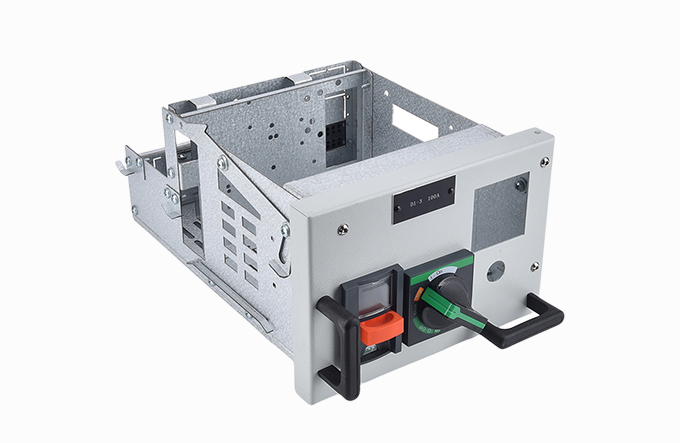
Moldvolt Switchgear cabinet drawer systems check all these boxes and more. They feature a standardized structure with unified observation windows, support currents from 63A to 250A, and come with a robust hand-cranking mechanism for smooth, precise operation. The anti-derailment rail system and silver-plated grounding contacts ensure reliable performance even in demanding industrial environments.
Get a customized quote to find the perfect configuration for your application.
When comparing drawout vs fixed switchgear, the most important question isn't "which costs less today?"—it's "which will cost less over the next 20 years?" The answer, for almost all critical applications, is clearly drawout switchgear.
While fixed cabinets may save you money upfront, the hidden costs of downtime, maintenance, upgrades, and safety incidents quickly add up. Modular drawer systems may require a larger initial investment, but they deliver significant savings over their lifetime while providing better reliability, safety, and flexibility.
Moldvolt Switchgear cabinet drawer systems represent the best of modern switchgear technology, offering a perfect balance of performance, safety, and value. Whether you're building a new facility or upgrading an existing one, choosing the right switchgear solution is one of the most important decisions you'll make for your business's long-term success.
pubdate: 2025/10/09 2026/07/15
How to Organize Spare Parts for LV Cabinetspubdate: 2025/10/09 2026/07/07
5 Daily Checks for Drawer Switchgear – A Maintenance Technician’s Guidepubdate: 2025/10/09 2026/06/30
Solve Loose Plug‑in Contact Connection